Media Release — 01 July 2026
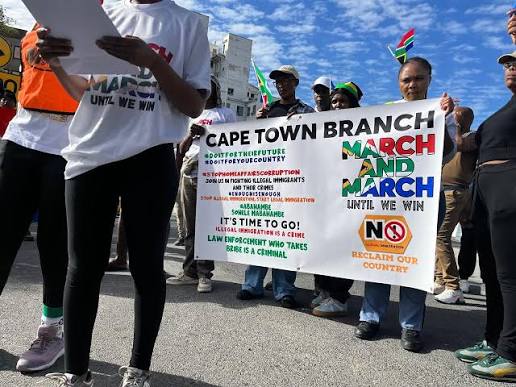
The Limpopo Chamber of Commerce and Industry (LCCI) views with grave concern the escalating tensions arising from anti-illegal-immigration protests, which expose deep institutional vulnerabilities in South Africa's and Africa's population and immigration-management systems. These vulnerabilities are undermining national security, regional economies, lawful trade, community stability and human dignity.
South Africa's Economic Exposure
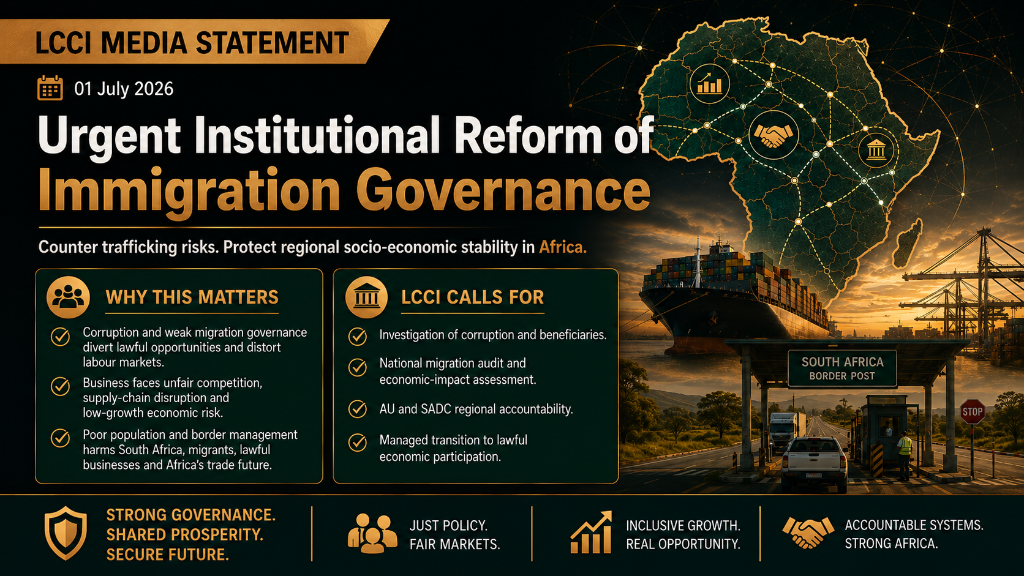
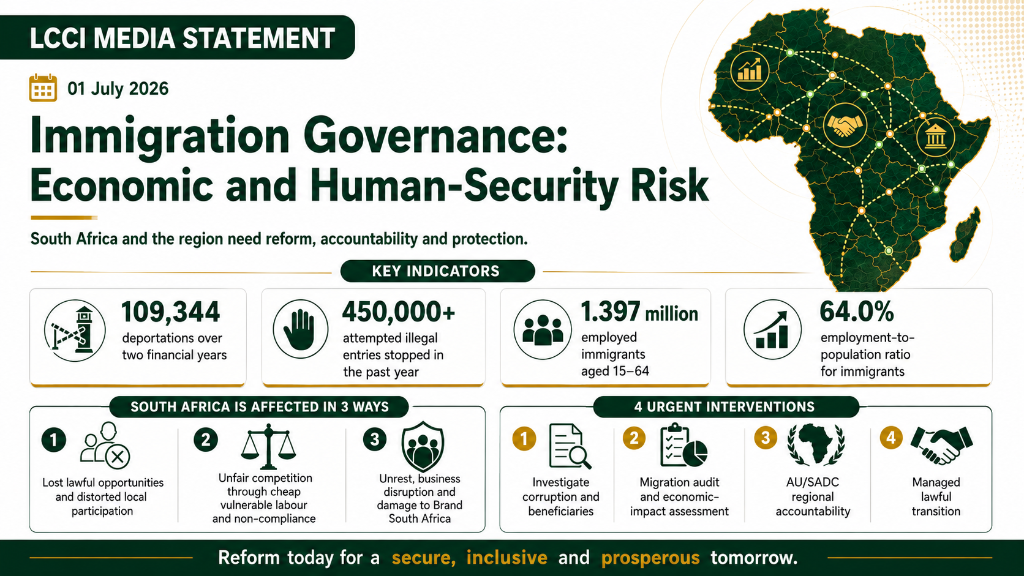
South Africa is affected in at least three economic ways. First, opportunities that should have supported lawful employment, youth entry, township enterprise and local business development may have been diverted through corrupt access, undocumented labour, fraudulent documentation and informal non-compliance. Second, compliant South African businesses have had to compete against operators who may have benefited from cheap vulnerable labour, non-payment of taxes, weak regulation and unfair pricing. Third, the resulting unrest now disrupts business operations, creates pressure on labour availability, destabilises supply chains and damages Brand South Africa, investor confidence, tourism sentiment and the safety of South African businesses operating elsewhere on the continent.
Beyond Immigration Enforcement
LCCI submits that the scale and persistence of this crisis can no longer be treated as ordinary administrative weakness. Given the existence of funded departments, border agencies, immigration systems, labour inspectors, police structures and regional diplomatic mechanisms, the evidence of organised corruption in the immigration system warrants a full investigation into whether the current crisis was enabled by negligence, corruption, criminal facilitation, deliberate institutional weakening or actors who benefited from unlawful migration, document fraud and labour exploitation.
The Special Investigating Unit (SIU) reported that South Africa's immigration system had been treated as "a marketplace", where permits and visas were sold to the highest bidder. Its investigation, authorised under Proclamation 154 of 2024 and covering the period 2004 to 2024, found evidence of corrupt officials, fraudulent documentation, payments to officials and financial gains exceeding R181 million linked to beneficiaries of fraudulent visa applications. Four officials earning less than R25,000 per month allegedly received R16.313 million in direct deposits.
Undocumented Migrants as Victims of System Failure
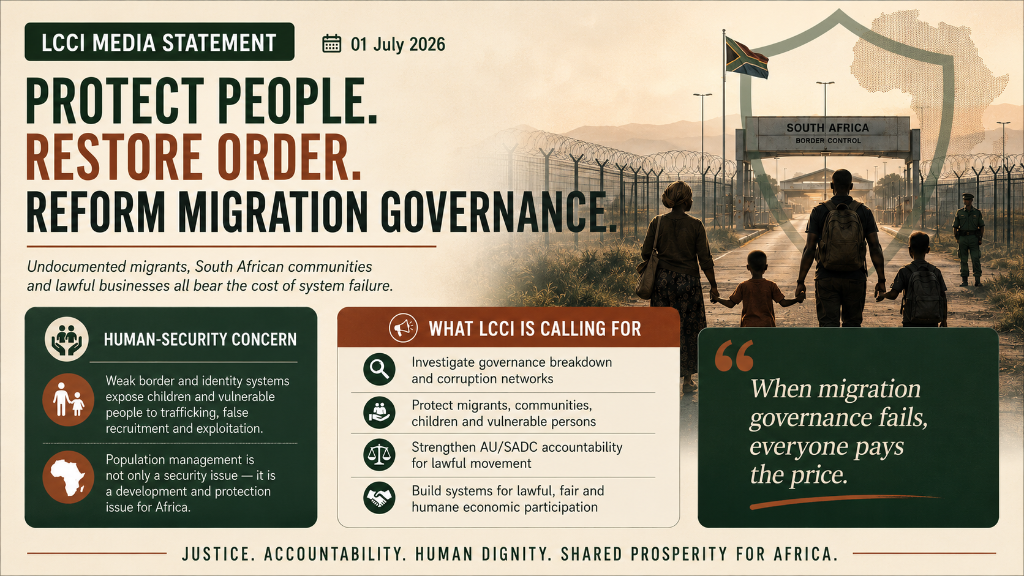
This matter must also be understood from the perspective of undocumented migrants as victims of the same breakdown. People who entered or remained in South Africa through corrupt documentation systems, false promises, labour exploitation, weak border controls or criminal facilitation may now face deportation, family disruption, violence, trafficking risks and loss of livelihood.
The human-trafficking risk must be treated as a national and regional priority. The United States placed South Africa on the 2025 Tier 2 Watch List for human trafficking, citing reduced victim identification, fewer investigations and fewer prosecutions. The 2025 Trafficking in Persons Report recorded that South Africa reported investigating 13 trafficking cases, compared with 156 in the previous reporting period.
An African Governance Problem
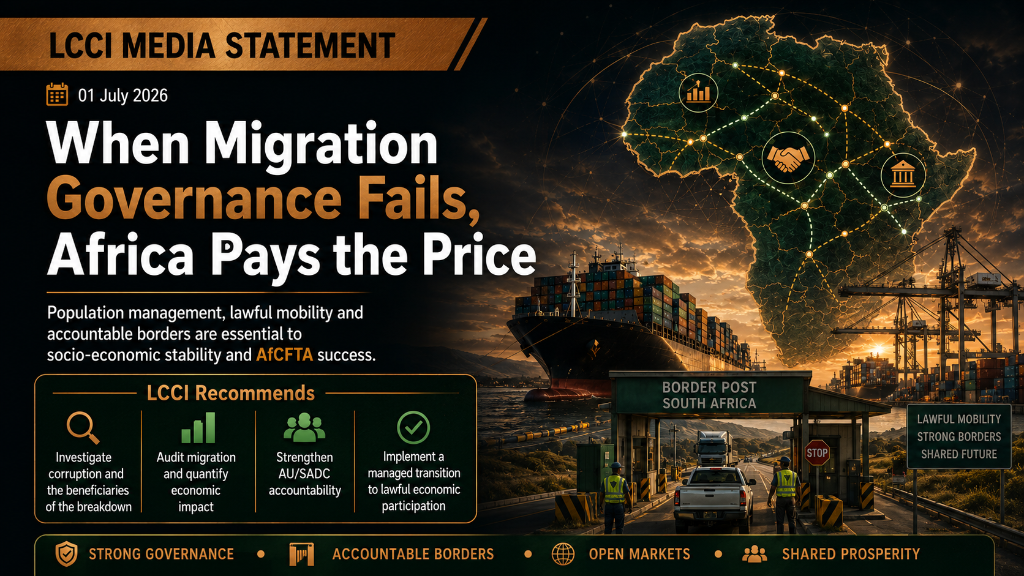
This is an African governance problem, not only a South African immigration problem. Population management, lawful mobility, citizen documentation, consular protection and reintegration are essential to socio-economic planning. AfCFTA cannot succeed where countries cannot account for the lawful movement, safety, skills and economic participation of their people. Trade integration requires trusted borders, reliable identity systems, lawful labour mobility and accountable institutions.
The Chamber is particularly concerned that institutional failure across countries of origin, transit and destination has created a dangerous traceability gap. When countries of origin fail to account for the movement, documentation, protection and reintegration of their citizens, and South Africa fails to maintain strict entry, exit, identity and status accountability at its borders, a structural vacuum is created. This lack of traceability affects local socio-economies, undermines regional integration and the implementation of the African Continental Free Trade Area, and leaves children and vulnerable populations exposed to trafficking, forced labour, false recruitment and exploitation.
"A regional economy cannot thrive in an environment of institutional lawlessness. Porous borders do not only facilitate illegal migration; they create an unregulated underground economy where criminal networks, unlawful labour practices, tax leakage, customs leakage and unfair competition can flourish." — Dr Albert Jeleni, LCCI President
Key Risk Indicators
Planning note: These are pressure indicators, not population counts. If approximately 450,000–500,000 attempted irregular entries are stopped over a given period, detection-rate assumptions of 75%, 50%, 25% or 20% imply very different actual exposure figures. This is why a national migration audit is urgent.
LCCI Calls for Four Urgent Interventions
Investigate the breakdown, corruption networks and beneficiaries
South Africa must investigate whether the migration governance crisis resulted from negligence, corruption, organised criminal facilitation, deliberate institutional weakening or actors who benefited from undocumented migration, document fraud, trafficking risks, cheap labour, tax leakage and labour exploitation.
Conduct a national migration audit and economic-impact assessment
Government must establish a verified picture of citizens, documented migrants, asylum seekers, overstayers and undocumented persons, and assess the impact on labour markets, township economies, municipal services, business continuity, regional trade and vulnerable sectors.
Establish AU and SADC regional accountability
Countries of origin, transit and destination must account for citizen movement, documentation, consular protection, reintegration, anti-trafficking cooperation, recruitment systems and missing-person risks.
Implement a managed transition to lawful economic participation
South Africa must strengthen border integrity, labour inspections, employer compliance and anti-corruption enforcement while protecting food systems, construction, township trade, logistics, household services and small-business supply chains from unmanaged disruption.
ISSUED BY Dr Albert Jeleni
President of the LCCI & President of NUMCCI
Tel: 065 924 3925
Photo Gallery

For More Information
Contact the Limpopo Chamber of Commerce and Industry
Organisation: Limpopo Chamber of Commerce and Industry
Email: President@limpopochamber.org.za
Tel: 076 773 7460 / 065 924 3925