LCCI Welcomes IDC Limpopo Stakeholder Engagement and Calls for Outcome-Based Development Finance
Media Release — 10 July 2026 | Event: 17 June 2026
LCCI has welcomed the IDC's Limpopo organised-business stakeholder engagement while calling for development finance to be measured against employment, enterprise growth, market access and wider economic outcomes.
Official Media Statement
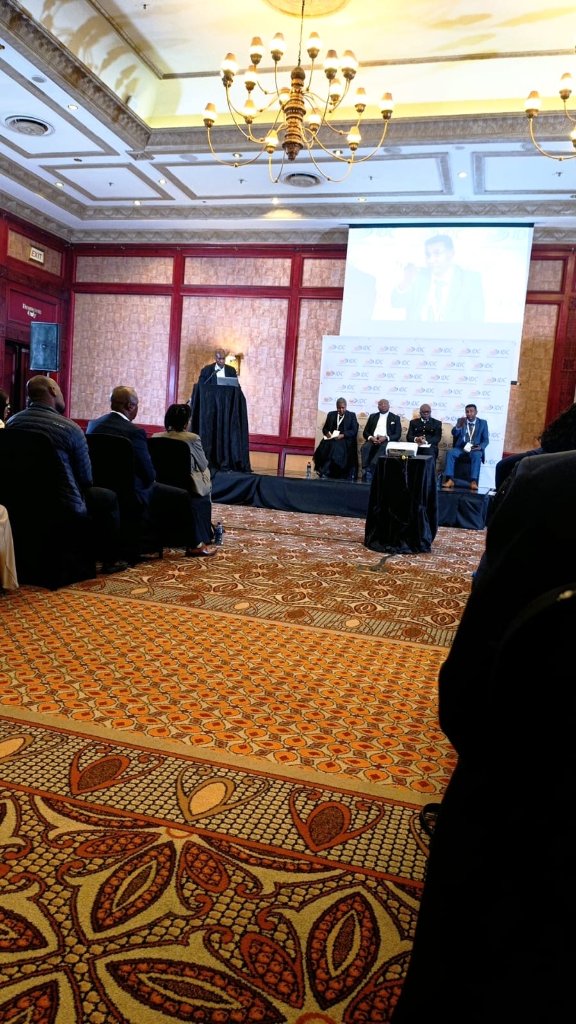
Polokwane, Limpopo — The Limpopo Chamber of Commerce and Industry (LCCI) welcomes and commends the Industrial Development Corporation's organised business stakeholder engagement held at Meropa on 17 June 2026, describing it as a valuable platform for strengthening development-finance access, client engagement, partnerships and economic growth in Limpopo.
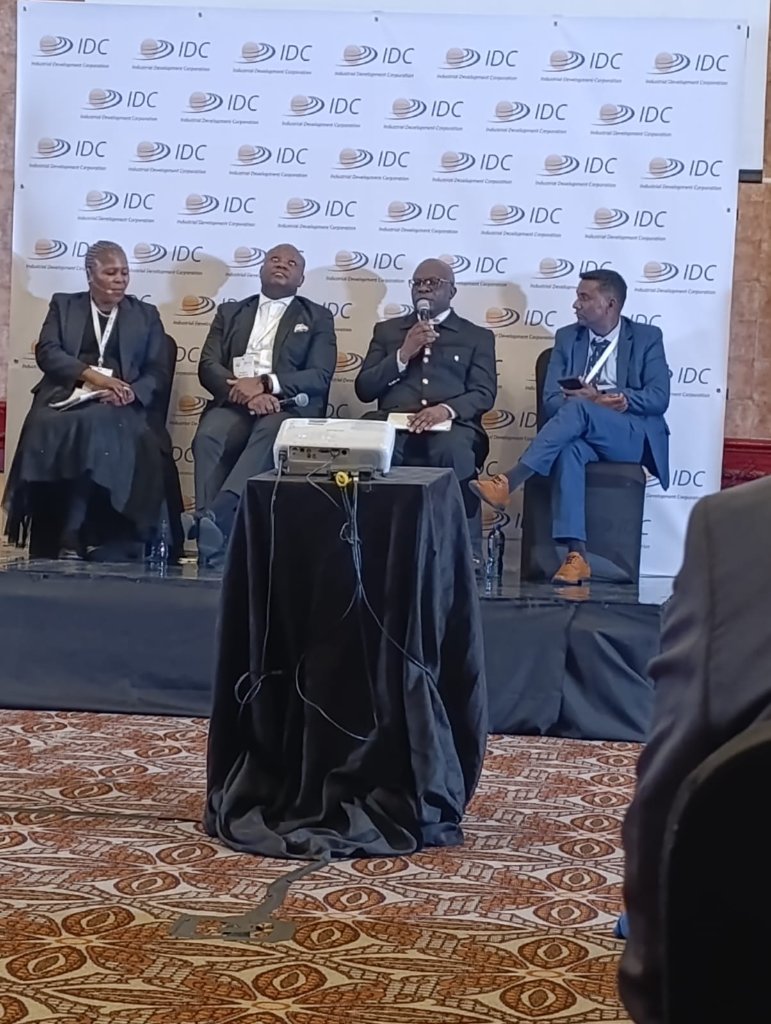
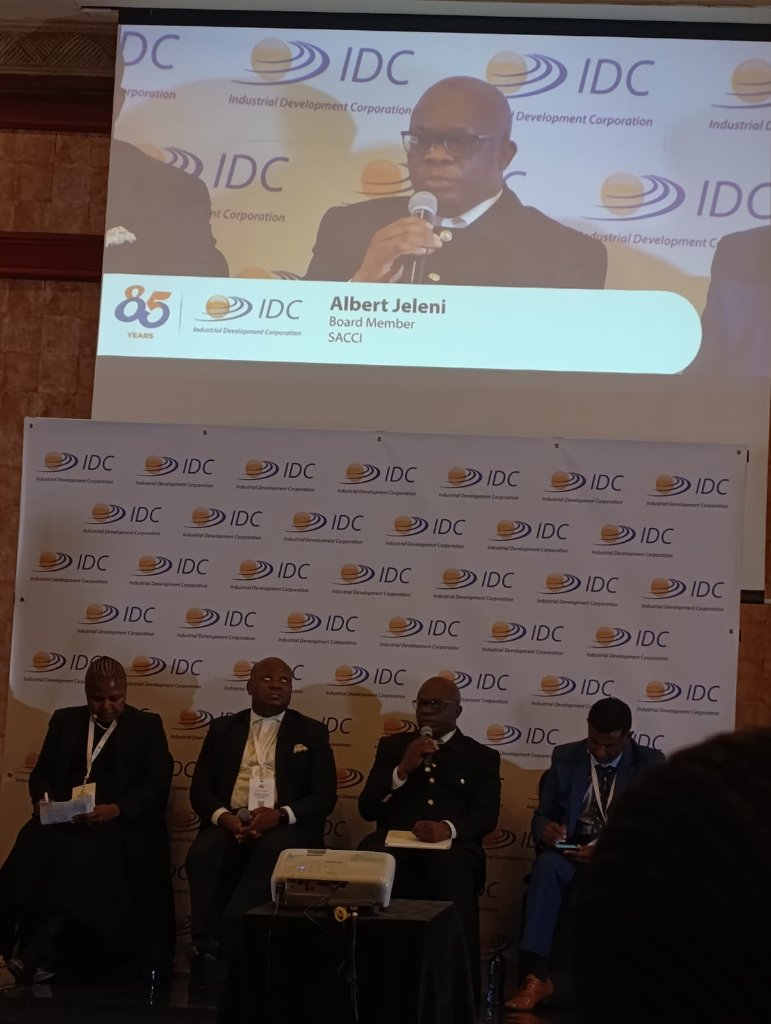
The engagement directly supported LCCI's objectives of capacitating members, improving access to development finance, and addressing barriers to market participation. LCCI President Dr Albert Jeleni joined the moderated dialogue on behalf of the South African Chamber of Commerce and Industry (SACCI), where he serves as a board member. LCCI is a member of SACCI.
LCCI commends the IDC, the Chief Executive Officer, Mmakgoshi Lekhethe and its leadership for recognising the importance of direct stakeholder outreach through organised business engagements across the country. This timely and much-needed programme demonstrates the IDC's willingness to listen, coordinate and lead within the development-finance ecosystem, consistent with its market-focused mandate, development-finance capacity and contribution to industrial growth and enterprise expansion. The Limpopo engagement brought development finance closer to businesses on the ground and created space to address practical barriers to finance, market access and industrial development in the province.
Testing Institution-Level Performance
LCCI said the value of the IDC's stakeholder engagement lies in testing institution-level performance against realities on the ground. Across the development ecosystem, institutions report significant achievements: IDC reported R13.4 billion in funding approved, R16.3 billion disbursed and 15,732 jobs expected to be created or saved in 2024/25; NEF reported 197 SMEs funded, R1.01 billion disbursed and 13,653 job opportunities facilitated; SEFA reported R2.039 billion disbursed to 80,040 SMMEs, with 98,378 jobs created or facilitated; and SEDA reported 94,584 SMMEs and co-operatives supported. These are important contributions, but they must be read alongside high SMME failure risk and national unemployment of 32.7%, confirming the need for stakeholder engagements that connect institutional success to country-level development outcomes.
Dr Jeleni said this pattern has been visible for nearly two decades, with institutions reporting important cohort-level gains while national development outcomes have remained stubbornly weak, which is why development finance must be tested against ground-level outcomes. He noted that South Africa's unemployment crisis has worsened structurally over the past two decades, moving from the low 20% range in the mid-2000s to above 30% in recent years. Stats SA reported unemployment at 32.7% in Q1:2026, with about 8.1 million people unemployed. Of these, about 7.2 million, nearly 89%, had matric or lower education, demonstrating the scale of the challenge and the need for realistic employment, skills and enterprise-readiness pathways.
LCCI said this exposes a serious disconnect between the profile of the unemployed and enterprise-development models that over-emphasise start-ups. Many unemployed people need jobs and structured employment pathways, rather than being pushed into business ownership where they are expected to run enterprises, create decent jobs and survive in competitive markets without the required support.
The Proposed Outcome Compact
To address this disconnect, the LCCI proposed an Outcome Compact for major interventions, requiring each programme to define the baseline, target sectors, delivery pathway, responsible partners and measurable results over 12, 24 and 36 months. The Compact should show which firms are being strengthened, which workers are being absorbed, which markets are being opened, and how each intervention contributes to reducing unemployment, poverty and inequality.
Wherefore, the LCCI identified three priorities for collaboration:
Priority 1: Value-Chain Integration
LCCI said development finance must deliberately connect large companies, public procurement opportunities and established value chains with medium enterprises and the "missing middle" capable of absorbing workers. This requires moving beyond startup funding, and isolated funding of individual firms towards structured market access, supplier development, local procurement and sector-based pipelines that help businesses grow, employ and participate meaningfully in the provincial economy.
Priority 2: Productivity and Competitiveness Support
Productivity and competitiveness support remains one of the most under-funded parts of enterprise development. Many businesses do not only need finance; they need technical support to become finance-ready, compliant, productive, supply-ready and market-linked. LCCI said this requires practical support through consultants, productivity specialists, compliance advisors, market-linkage experts, value-chain integrators and shared service or outsourcing platforms that reduce costs and improve business performance, which remains underfunded.
Priority 3: Outcome Measurement and Grounded Ecosystem Partnerships
LCCI said development interventions must track whether they are changing conditions on the ground, including unemployment, income, firm survival, local procurement, inclusive ownership, productivity and labour absorption. This requires regular locality-based roadshows, stronger functional chambers of commerce in every municipality, and practical platforms such as LCCI's monthly business workshops, where IDC-supported success stories can be showcased and successful enterprises can serve as ambassadors, while sectors capable of absorbing people quickly are identified, including personal services, care, household, mobility and maintenance services.
Business Concerns and Engagement Outcomes
LCCI welcomes the issues raised by businesses during the open engagement and supports concerns about the gap between national programme design and regional realities. Businesses highlighted one-size-fits-all assessments; the need for IDC and other development-finance institutions to understand each business's circumstances, sector conditions and readiness level; and guidance or referral pathways where businesses do not immediately meet funding requirements.
Businesses also raised the need for recognised representative bodies to have structured access to IDC for constituency follow-ups, especially where businesses require diagnosis, guidance, referral support or finance-readiness assistance.
The LCCI welcomes the IDC's commitment to connecting with stakeholders, engaging clients and strengthening partnerships across provinces. For Limpopo, the priority is a practical support pathway through diagnosis, referral, productivity support and measurable outcomes.
"Training alone does not make a firm competitive. Serious enterprise development requires technical support that changes productivity, compliance, market access and income." — Dr Albert Jeleni
LCCI reaffirmed its willingness to work with SACCI, IDC, other development institutions and the private sector to strengthen measurable, inclusive and productivity-led economic development in Limpopo.
Media from the IDC Limpopo Stakeholder Engagement
ISSUED BY Dr Albert Jeleni
President of the LCCI & President of NUMCCI
Tel: 065 924 3925
For More Information
Contact the Limpopo Chamber of Commerce and Industry
Organisation: Limpopo Chamber of Commerce and Industry
Email: President@limpopochamber.org.za
Tel: 076 773 7460 / 065 924 3925