LCCI Calls for Economically Literate, Governance-Ready Student Leadership to Drive Economic Transformation at the SAUS Entrepreneurship Indaba
Media Release — 10 July 2026
The Limpopo Chamber of Commerce and Industry has called for student leadership that combines economic literacy, governance capability, ethical discipline, evidence-based decision-making and sustained mentorship.
Official Media Statement
Thohoyandou, Limpopo — The Limpopo Chamber of Commerce and Industry (LCCI) commends the vision-driven leadership of the South African Union of Students (SAUS) in successfully convening the Entrepreneurship Indaba at the University of Venda in Thohoyandou from 24 to 26 April 2026.
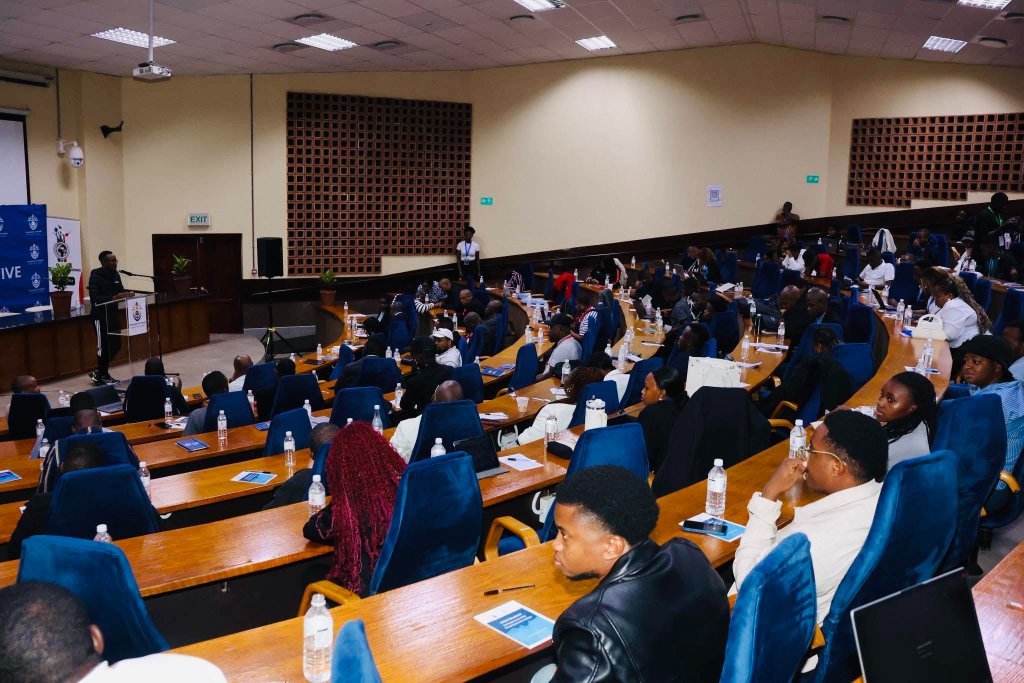
The engagement brought together student representative councils from South Africa's 26 public universities, government, organised business, university management and student-development organisations to consider practical responses to student debt, graduate unemployment, poverty and young people's limited economic participation.
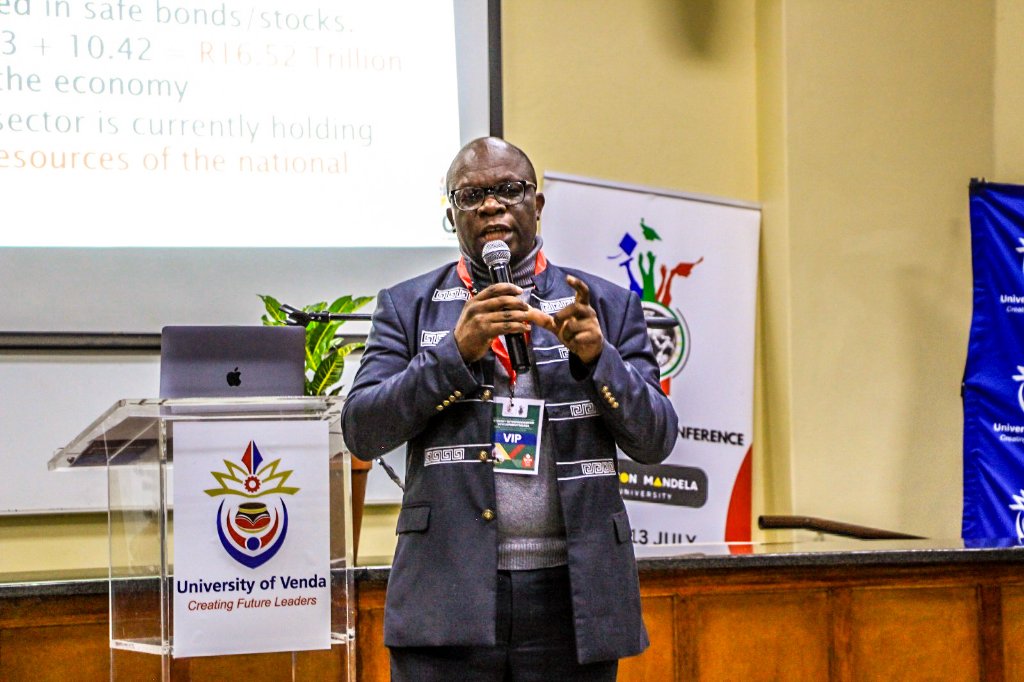
Representing organised business, LCCI President Dr Albert Jeleni emphasised that student entrepreneurship cannot be built through motivational speeches, once-off funding or political slogans. It requires economic literacy & exposure, governance capability, ethical discipline, evidence-based decision-making and sustained mentorship. He advanced four practical priorities for building this future.
1. Move from Lobbying to Evidence-Based Decision-Making
In his address, Dr Jeleni implored students to participate meaningfully, honestly and constructively in developing a policy on student entrepreneurship. He affirmed LCCI's support for the initiative, noting that the Chamber had helped formulate a discussion strategy built around an analytical approach to guide the deliberations, which they must use with intent. He said this signalled a shift from lobbying-driven decisions towards policy grounded in facts, practical experience and institutional realities.
"Lobbying can place an issue on the agenda, but analysis must guide the decision. Policy cannot be based only on emotion, political persuasion or who speaks the loudest. It must be based on facts, honest reflection and a clear understanding of what can be implemented. This is why student leadership must be depoliticised." — Dr Albert Jeleni
2. Develop Economic Literacy and Governance Together
Dr Jeleni urged students to learn the language of the economy while still at university. They must understand how businesses generate income, manage costs, price products, negotiate with suppliers, comply with regulations and respond to changing demand. They must also understand procurement, investment, taxation, productivity, cash flow and the difference between revenue and profit.
Dr Jeleni called on universities to move beyond occasional entrepreneurship events and ensure that every student develops economic literacy. Universities must produce graduates who can identify opportunities, assess risk, mobilise resources, understand markets and build sustainable enterprises.
"Students cannot meaningfully take ownership of the economy when they do not understand how the economy works. A qualification may open a door, but economic literacy determines whether a person can build, manage and sustain an enterprise once that door has opened." — Dr Albert Jeleni
Dr Jeleni further emphasised that governance capability must be developed alongside economic literacy. "Governance runs the economy; lobbying runs politics. Students who only learn how to lobby may influence political conversations, but students who understand governance will eventually shape institutions, budgets, procurement systems, investment decisions and boardrooms," he said.
3. Build Sustainable Success through Discipline, Honesty and Mentorship
Dr Jeleni cautioned students against the growing culture of instant success, shortcuts and unrealistic expectations.
"There are no shortcuts and no guaranteed quick wins in life. Students must build their futures on honesty and reality. The market does not reward slogans, appearances or entitlement. It rewards value, consistency, competence and trust." — Dr Albert Jeleni
The importance of mentorship was illustrated through the leadership journey of Mr Vusi K. Mokoena. His association with the Chamber and his leadership of the NULCCI Student-Preneur (a chamber student chapter) strengthened his development, and enabled him to impactfully serve as a faculty chairperson and SRC President and now as a Chairperson of the SAUS Entrepreneurship Subcommittee, showing an upward leadership trajectory.
Dr Jeleni emphasised that mentorship does not replace hard work; rather, it demands greater effort, discipline and servant leadership. "It is important to note that mentorship does not replace hard work. It helps young leaders avoid unnecessary mistakes, confront their weaknesses and gain access to knowledge that may otherwise take years to acquire," he said.
4. Create Pathways for Student Economic Participation
Universities must integrate student businesses into legitimate and productive supply chains rather than confining them to informal and survivalist activities. Student entrepreneurship must create real economic value; it cannot be reduced to campus trading, event-based activity or dependence on institutional patronage.
Accordingly, LCCI supports the Indaba's call for a coherent national framework that gives student entrepreneurs access to infrastructure, mentorship, markets and institutional support, including procurement opportunities, incubation support and entrepreneurship training.
Commendations and Call to Action
LCCI further commends the Deputy Minister of Higher Education and Training, Dr Mimmy Gondwe, and University of Venda Vice-Chancellor, Professor Bernard Nthambeleni, for their student support initiatives. The Chamber also praises SAUS President, Mr Siyabonga Moses Nkambako, and his team for their dedication to advancing meaningful change across university campuses.
LCCI calls on SAUS, the Department of Higher Education and Training, universities, TVET colleges, SETAs, development-finance institutions, organised business and corporate partners to implement the Indaba's resolutions through: a) a nationally aligned student entrepreneurship policy; b) governance and economic-literacy programmes for SRCs; c) transparent access to appropriate university procurement opportunities; d) functional and properly governed incubation centres; e) structured industry mentorship; f) entrepreneurship-linked work-integrated learning; g) intellectual-property support; and h) measurable pathways from campus enterprise to sustainable participation in the formal economy.
LCCI remains available to work with SAUS, universities, government institutions, development partners and the wider business community on mentorship, business governance, market access, procurement readiness, enterprise development and stronger relationships between student entrepreneurs and established industry.
Media from the SAUS Entrepreneurship Indaba




ISSUED BY Dr Albert Jeleni
President of the LCCI & President of NUMCCI
Tel: 065 924 3925
For More Information
Contact the Limpopo Chamber of Commerce and Industry
Organisation: Limpopo Chamber of Commerce and Industry
Email: President@limpopochamber.org.za
Tel: 076 773 7460 / 065 924 3925